
How a Running Analysis Can Improve Performance and Reduce Injury Risk
Dr. Jake Ogden, PT, DPT
4 min read
How a Running Analysis Can Improve Performance and Reduce Injury Risk
Have you ever wondered whether your running form is helping — or limiting — your speed, efficiency, or long-term running health?
Even subtle movement patterns like overstriding, low cadence, or poor hip control can gradually increase stress on your body over time. While these issues may not cause immediate pain, they can contribute to recurring injuries, reduced efficiency, or performance plateaus as training volume increases.
This is where a running analysis can be valuable.
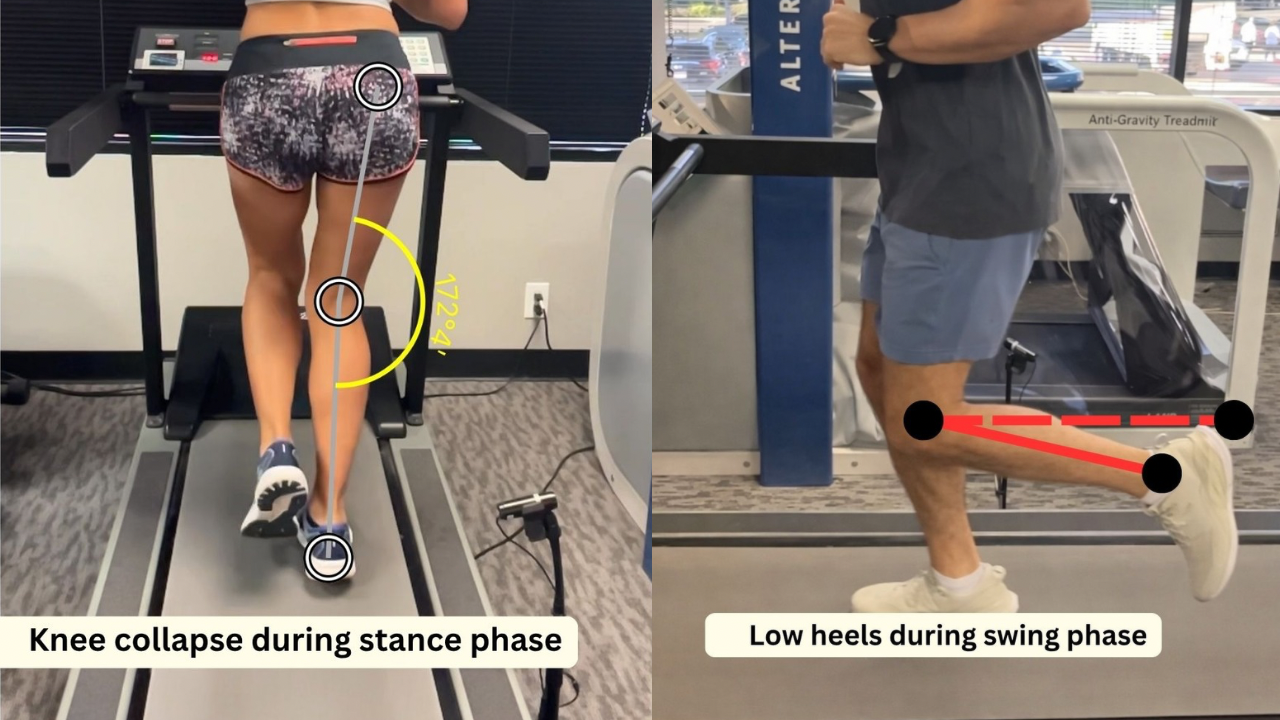
A running gait analysis is a detailed evaluation of how your body moves while running. Using slow-motion, multi-angle video analysis on a treadmill, key aspects of your mechanics can be assessed from head to toe to identify movement inefficiencies, compensations, mobility limitations, and strength deficits that may be affecting your running.
Unlike quick assessments that focus primarily on footwear, a comprehensive running analysis looks at the entire kinetic chain and how different parts of the body work together under repetitive load.
How a Running Analysis Can Help
A professional running mechanics evaluation can help you:
Identify faulty or inefficient movement patterns
Detect strength and mobility deficits affecting performance
Understand contributing factors behind recurring injuries
Reduce injury risk and improve long-term running health
Improve running efficiency for faster and smoother miles
Build confidence returning to running after injury
What a Running Analysis Is — and What It Isn’t
A running analysis is often misunderstood as a one-time “form fix.” In reality, running mechanics are deeply ingrained movement patterns that have been developed over years of training, adaptation, and sometimes compensation after injury.
What this IS:
A detailed assessment of how you currently move, why certain issues may be occurring, and what specific changes can improve your efficiency, performance, and longevity.
You leave with a clearer understanding of:
How your body moves while running
Which areas may be contributing to stress or inefficiency
What exercises, drills, or cues may help improve mechanics over time
What this is NOT:
A one-and-done fix or a single cue that permanently changes your running form.
While you will leave your first session with immediate feedback, drills, and actionable changes, lasting improvement comes from repetition, reinforcement, and progression over time.
Most runners benefit from follow-up sessions to:
Reinforce new movement patterns before old habits return
Progress strength and mobility exercises based on how your body responds
Make adjustments as mileage, speed, or training load changes
Ensure changes actually transfer from running drills to outdoor running
Think of it less like a single appointment—and more like coaching your movement system over time.
Why Small Changes Matter in Running
One of the biggest misconceptions about running form is that major changes are always necessary.
In reality, small adjustments are often more effective and sustainable than completely overhauling someone’s stride. Subtle improvements in cadence, posture, hip control, or force distribution can significantly reduce stress on certain tissues while improving running efficiency.
The goal is not to force every runner into the same form— but to help each individual move more efficiently based on their body, injury history, and goals.
Who Can Benefit From a Running Analysis?
A running analysis can be beneficial for runners of all experience levels, including those who:
Experience recurring injuries or aches and pains
Feel inefficient or overly fatigued while running
Are returning to running after injury
Want to improve race performance
Are increasing mileage or training intensity
Simply want a better understanding of their running mechanics
You do not need to be injured to benefit from understanding how you move.
Frequently Asked Questions
How long does a running analysis take?
The initial analysis takes about 60 minutes. Follow-up sessions are 30 minutes and focus on refining your form through targeted strength, mobility, drills, and coaching cues to help improvements carry over into your running.
Do I need to be injured to benefit from a running analysis?
No. Many runners seek out a running analysis proactively to improve efficiency and reduce injury risk before problems develop.
Will you change my running form completely?
The goal is not to completely reinvent your stride, but to optimize it. Most changes are subtle, individualized, and designed to improve efficiency while reducing unnecessary stress on the body.
What should I bring to my appointment?
Bring your normal running shoes, and if possible, any shoes you regularly train in. You should also be prepared to run comfortably for short periods on a treadmill.
How quickly will I see improvements?
Some runners notice immediate changes in how running feels. However, lasting improvements in mechanics typically develop over several weeks as new movement patterns are reinforced consistently.
Can this help improve race performance?
Yes. Improved efficiency and better force distribution can help reduce wasted energy and improve running economy, especially over longer distances.
Do you provide a plan after the analysis?
Yes. You’ll receive individualized recommendations including strength exercises, mobility work, running drills, and cueing strategies tailored to your findings.
Putting It Into Practice
Understanding your running mechanics is only the first step—applying that information consistently is where meaningful change happens.
A structured approach that combines movement analysis, strength work, mobility, and progressive cueing often leads to the best long-term results.
In my practice, running analyses are performed as part of a comprehensive, runner-specific approach that combines clinical expertise with real-world running experience. As a Doctor of Physical Therapy with formal certification in running analysis and former NCAA Division 1 runner, my goal is not simply to analyze how you run—but to help you build a more efficient, resilient, and sustainable stride over time.
Whether you’re a runner in Mission Viejo, San Clemente, or anywhere in Orange County, CA, my goal is to offer a running analysis that will help you run more efficiently, reduce injury risk, and build a more durable stride for the long run (pun intended).
Whether your goal is performance, injury prevention, or returning to running confidently after setbacks, a running analysis can provide the clarity and direction needed to move forward.
bASED IN ORANGE
COUNTY, CALIFORNIA