
Can Physical Therapy Help You Get Back to Running?
Dr. Jake Ogden, PT, DPT
4 min read
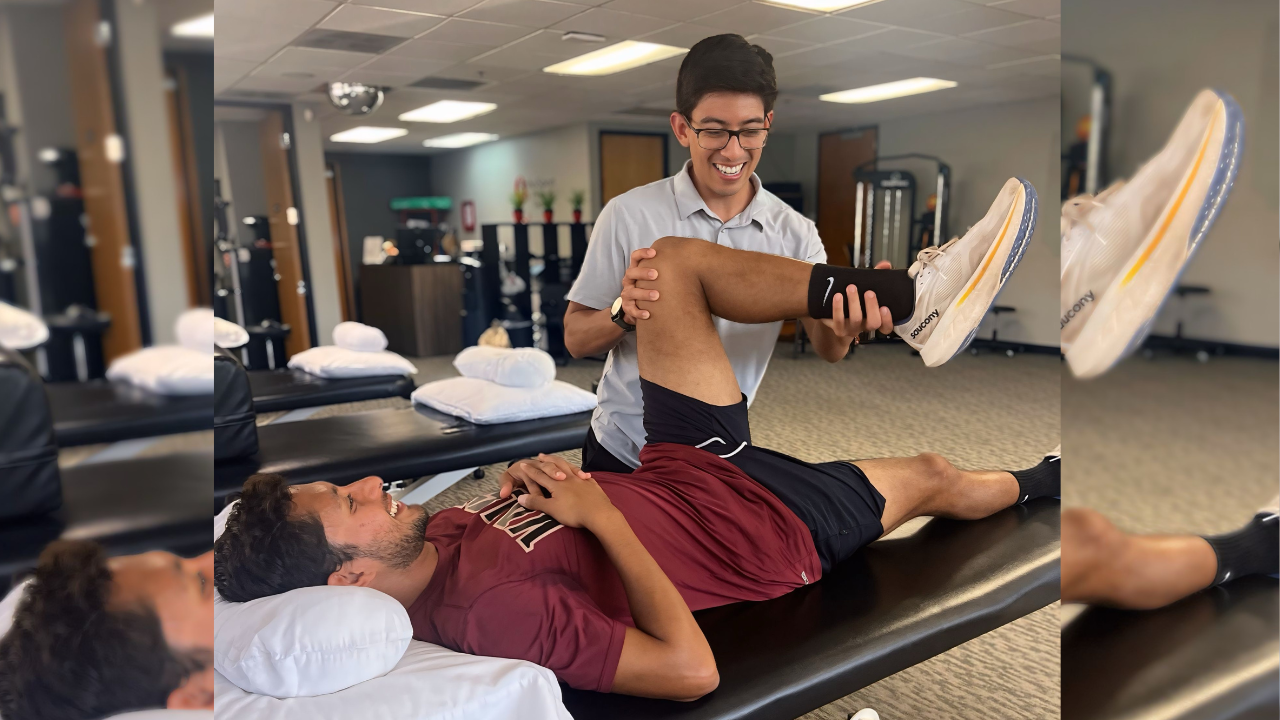
Can Physical Therapy Help You Get Back to Running?
Most runners don’t stop running because they want to—they stop because pain, injury, or recurring discomfort forces them to.
And when that happens, one of the most common questions is: Do I actually need physical therapy to get back to running, or will this just go away on its own?
The truth is that while some injuries improve with rest, many running-related issues return as soon as training resumes. That’s where physical therapy becomes an important part of not just your recovery—but your long-term running health.
Why Runners Get Stuck in a Cycle of Pain
A common frustration among runners is the “on-again, off-again” injury cycle:
You rest → pain improves → you start running again → pain returns.
This happens because rest alone often addresses symptoms, not the underlying cause of the problem.
Running injuries are typically the result of a combination of factors, including:
Strength deficits that reduce load tolerance
Mobility restrictions that alter movement mechanics
Training errors such as rapid mileage increases
Compensations developed after previous injuries
Inefficient running mechanics that overload specific tissues
Until these root causes are addressed, symptoms often return when training intensity increases again.
What Physical Therapy Actually Does for Runners
Physical therapy is not just about treating pain—it’s about understanding why the pain is happening in the first place.
A comprehensive physical therapy evaluation helps identify:
Flexibility and mobility limitations
Strength imbalances or deficits
Faulty movement patterns
Training habits contributing to overload
Biomechanical inefficiencies during running
From there, a personalized plan is developed to not only reduce pain, but to restore the capacity needed to run safely and efficiently again.
Unlike general rest or passive treatment approaches, physical therapy focuses on rebuilding the foundation required for long-term resilience.
Why Running Injuries Keep Coming Back
One of the most frustrating parts of being a runner is when an injury seems “resolved,” only to return weeks or months later.
Common reasons this happens include:
Returning to running before full strength and control are restored
Skipping progressive loading and jumping back into normal mileage
Persistent movement compensations that were never corrected
Incomplete rehabilitation of tendons, muscles, or joints
Lack of structured return-to-run progression
Without addressing these factors, the same tissue is often re-exposed to the same stress that caused the injury in the first place.
What a Return-to-Running Process Looks Like
Getting back to running after injury is not a single step—it is a progression.
A structured return-to-run plan often includes:
1. Symptom reduction and tissue recovery
Calming pain and allowing irritated tissues to settle.
2. Restoring mobility and movement quality
Improving joint range of motion and reducing compensations.
3. Rebuilding strength and stability
Especially single-leg strength, which is critical for running.
4. Reintroducing impact gradually
Starting with walking, then run/walk intervals, and progressing slowly.
5. Returning to continuous running
Gradually increasing duration and intensity based on tolerance.
6. Long-term load management
Adjusting training variables to reduce the risk of reinjury.
The goal is not just to run again—but to continue running without setbacks.
When Physical Therapy Can Help Most
Physical therapy is especially helpful if you:
Keep getting the same injury repeatedly
Can’t increase mileage without symptoms returning
Feel fine at rest but hurt when you run
Have tried resting or stretching without lasting improvement
Are returning to running after time off or a more significant injury
Want a structured and guided return to training
In these situations, having a structured plan can make the difference between short-term relief and long-term improvement.
When You May Not Need Physical Therapy
Not every issue requires formal treatment.
You may not need physical therapy if:
Symptoms are mild and resolve quickly without affecting running
There is no pattern of recurrence or worsening over time
Discomfort does not change your ability to train or recover
However, if symptoms persist, worsen, or repeatedly return with running, further evaluation is often beneficial.
Even if physical therapy is not necessary, a running analysis may still be beneficial for identifying movement patterns, training factors, or inefficiencies that could contribute to recurring discomfort or limit performance.
How Runner-Specific Physical Therapy Is Different
Not all physical therapy is the same.
Runner-specific physical therapy focuses on how your body performs under the unique demands of running, including:
High repetitive loading through thousands of steps
Single-leg stability under impact
Tendon and muscle capacity over long distances
Coordination between strength, mobility, and running mechanics
Gradual exposure to training stress over time
The goal is not just to help you feel better—but to help you tolerate the demands of running again without recurring breakdown.
What My Physical Therapy Approach Includes
A physical therapy evaluation is the first step toward returning to pain-free running.
During your assessment, I identify the key factors contributing to your injury, including flexibility limitations, strength deficits, movement patterns, and training habits. From there, you receive a personalized plan designed to restore function and guide your return to running.
Follow-up sessions are an important part of this process. These visits focus on:
Improving mobility and movement control
Building strength specific to running demands
Learning proper movement patterns and exercises
Receiving targeted soft tissue treatment when appropriate
Progressing your return-to-run plan safely and effectively
Consistency is what drives recovery. The more structured the follow-up, the more predictable the return to running tends to be.
Common Conditions Treated in Runners
Physical therapy can help address a wide range of running-related and non-running-related conditions, including:
Foot & Ankle
Plantar fasciitis
Achilles tendinopathy
Posterior tibialis tendinitis
Ankle sprains
Calf strains
Shin splints
Stress fractures and stress reactions
Knee
Patellar tendinitis
Runner’s knee (patellofemoral pain syndrome)
IT band syndrome
Meniscus-related pain or injury
Hip & Pelvis
Hip bursitis
SI joint dysfunction
Sciatica
Hip flexor or adductor strains
Hip labral issues
Spine & Headaches
Low back pain (acute or chronic)
Neck pain
Disc-related conditions
Cervicogenic headaches and migraines
Final Thoughts
Physical therapy can be a powerful tool for runners—not just to recover from injury, but to understand why it happened in the first place and how to prevent it from coming back.
The goal is simple: restore your ability to run consistently, confidently, and without recurring setbacks.
When done well, physical therapy doesn’t just get you back to running—it helps set you up for a lifetime of faster and healthier running.
bASED IN ORANGE
COUNTY, CALIFORNIA